English
 English
Search

2026/08/14
August 14, 2026
Dear Valued Customer,
As U.S.-Iran tensions continue to escalate, global supply chains are once again being dragged into deep uncertainty. You may have already noticed that freight quotes from China to the U.S. are becoming increasingly volatile. This is not an isolated phenomenon—it is the result of geopolitical risk feeding directly through the global shipping network.
As a professional international freight forwarder specializing in China-to-USA DDP door-to-door transport for e-commerce sellers and individual importers, we operate on the front line of freight rates and space availability every day. In this post, we’ll break down for you, from a freight forwarder’s perspective, exactly how these tensions disrupt shipping lanes, why costs are rising, and how DDP services can protect your bottom line amid the turbulence.
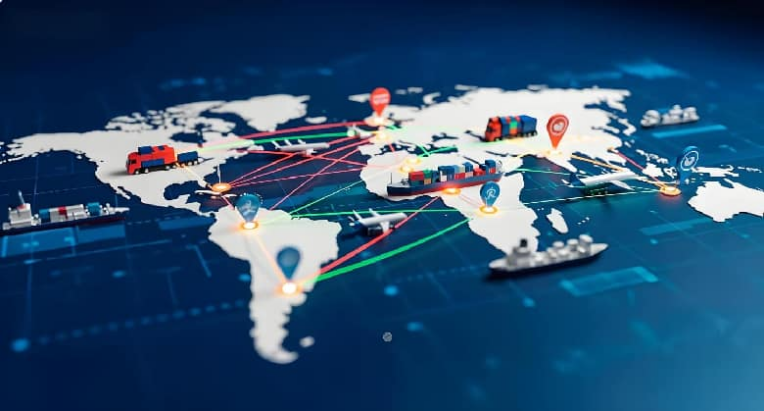
The core risk zone of U.S.-Iran confrontation lies in the Strait of Hormuz and Middle Eastern waters. You might ask: My cargo goes from China to the U.S. across the Pacific. Why should I pay for a crisis in the Middle East? The answer lies in the deep interconnectedness of global shipping.
Soaring Bunker Fuel Costs
Middle East instability directly pushes up crude oil prices and vessel fuel costs. Carriers almost simultaneously raise Bunker Adjustment Factor surcharges. No matter which ocean your container crosses, this cost is baked into your ocean freight.
Capacity Is Being Siphoned Away
To avoid risks in the Red Sea and the broader Middle East, a large portion of Asia-Europe vessels continues to divert around the Cape of Good Hope. This disrupts global sailing schedules, significantly extends the turnaround time per container, and indirectly “traps” ships and empty containers that would otherwise serve the Transpacific trade. Effective capacity on the Pacific is markedly tightened, giving carriers room to push spot rates higher.
War Risk Premiums and Insurance
Even if your cargo never transits the Strait of Hormuz, the elevated risk costs borne by the overall fleet are ultimately distributed among all shippers in the form of Emergency War Risk Surcharges and higher insurance premiums.
The conclusion is straightforward: Tension in the Middle East is, in the end, partly footed by the Transpacific container bill.
DDP means we take full responsibility and cost for the entire chain—from door pickup in China, ocean freight, U.S. customs clearance, duty payment, to final delivery. Right now, this total cost package is under threefold pressure:
Yet this is precisely when the DDP model proves its true value. When you hand the complexity over to professionals, you don’t have to watch the freight index every morning with anxiety.
We absorb the volatility; you focus on selling. That’s the core promise of true door-to-door DDP.
1. Lock in space and rates for the next 4–6 weeks in advance. In a rising freight market, waiting usually means higher costs and tighter capacity.
2. Move a portion of your inventory via reliable West Coast express services paired with stable customs channels. In a volatile market, don’t chase the lowest price alone—reliability is far more valuable.
3. Choose a forwarder with genuine carrier contracts and an in-house final-mile network. Only companies that truly control capacity and destination execution can confidently deliver stable DDP all-in pricing when the market shifts.
Whether you’re a cross-border e-commerce DTC brand or an individual importer sourcing from China, we can tailor a DDP door-to-door transport solution that matches your volume, product type, and delivery timeline—while keeping total costs under control.
Get the latest rates and space options today. Let the experts stabilize your supply chain so you can focus on growing your business.
This is the first one.